



Your Chicago Summer Home Exterior Checklist: Gutters, Power Washing & Storm-Proofing
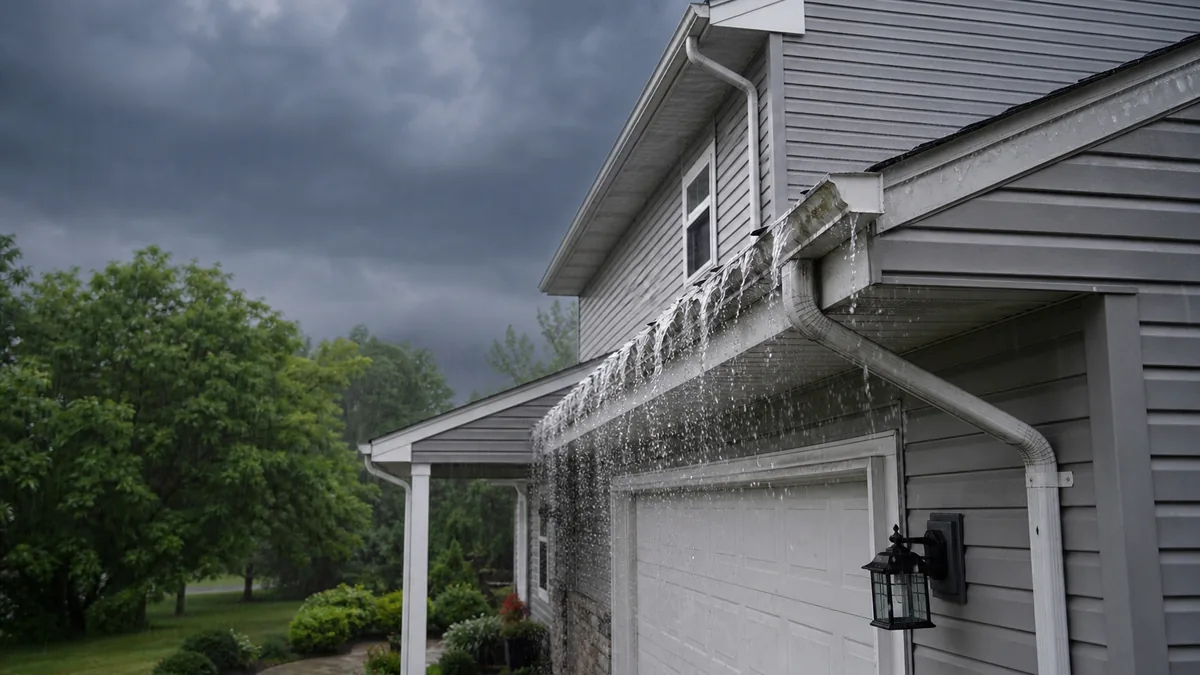
Chicago summers do not ease in gently. One week you are still reaching for a jacket on the porch, and the next a thunderstorm is rolling off the lake while the air conditioner runs past midnight. Between heavy storms, thick pollen, mosquitoes, and months of sun beating on your siding, your home's exterior works harder in summer than in almost any other season. This checklist walks through the outdoor jobs that protect your house right now — and the ones worth handling before the next storm hits.
1. Clear Your Gutters Before the Next Storm
Maple seeds, blossoms, and shingle grit wash into your gutters all spring, and by mid-summer many Chicagoland gutters are already half-clogged. That matters because the heaviest storms of the year are still ahead of you. When a downpour hits a blocked gutter, water spills over the edge, sheets down your siding, and pools against the foundation — the single most common path to a flooded basement.
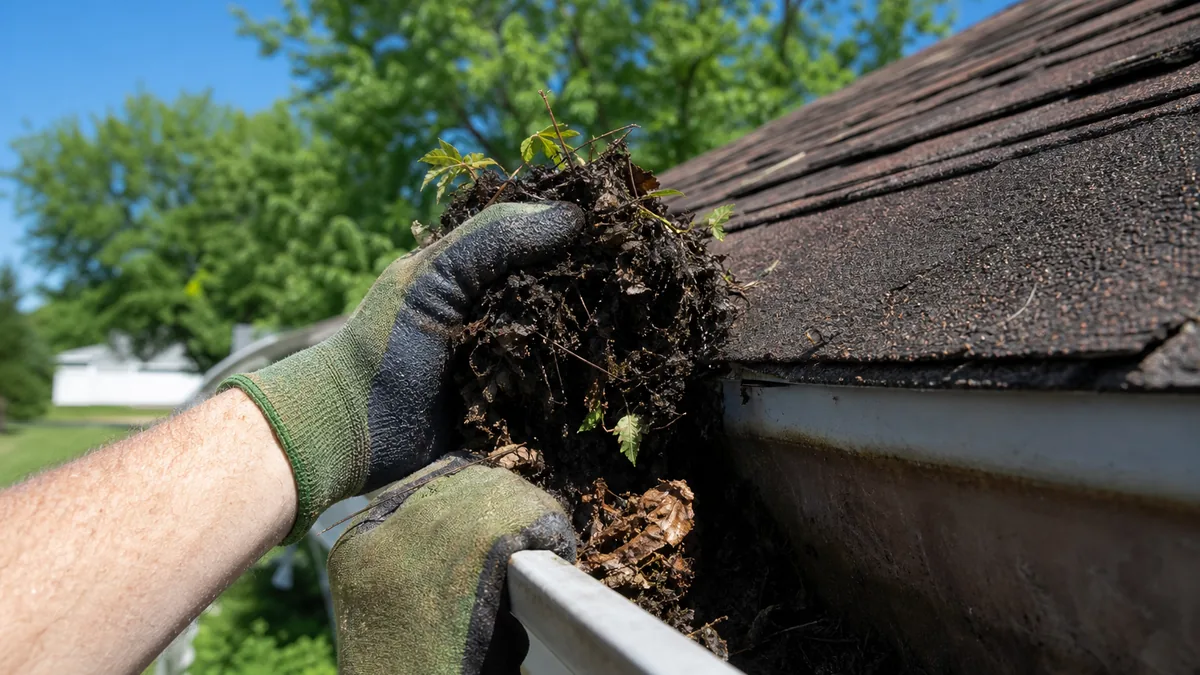
The local math is unforgiving. Chicago's combined sewer system is designed to handle only about two inches of rain in 24 hours before backups become likely, and recent storms have dropped several times that. You can't control the sewers, but you can make sure every drop that lands on your roof actually reaches the downspout and drains at least four feet from the house. Regular gutter cleaning across Chicagoland keeps water moving the way it should, and a quick check for sagging sections or separated seams catches problems before they overflow. Streaks on the siding or grit in the downspout splash are classic signs your gutters need clearing before the next storm. For more on the regional flooding picture, the Metropolitan Water Reclamation District publishes homeowner guidance worth reading.
2. Standing Water Means Mosquitoes — a Real Chicago Problem
Clogged gutters are not just a water problem in summer; they are a pest problem. Trapped leaves hold standing water for days, and that warm, still water is exactly what mosquitoes need to breed. Experts estimate that as little as a tablespoon of standing water can hatch hundreds of mosquitoes, and Chicago was recently ranked the second-worst city in the country for them.
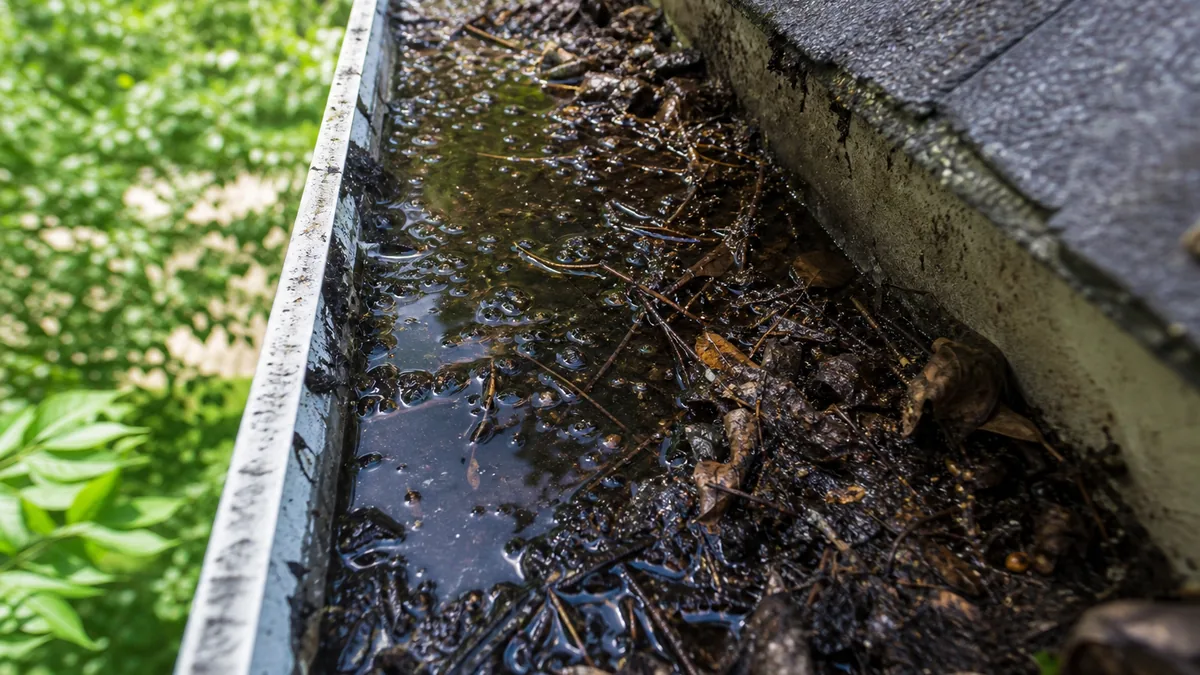
It is more than a nuisance. Mid-summer through early fall is peak season for West Nile virus, which mosquitoes carry, so eliminating breeding sites around the house genuinely protects your family. Walk your yard every week and empty anything holding water — buckets, saucers, birdbaths, kids' toys — and keep your gutters flowing so the roofline isn't quietly raising the next generation. The CDC recommends dumping standing water at least once a week, since larvae can mature in under a week. While you are at it, check window screens for tears so the mosquitoes you do have stay outside on muggy evenings.
3. Power Wash Siding, Decks, and Patios While It's Dry
Early summer is the best window of the year to reset your home's exterior. The pollen, algae, and grime that built up over spring are still soft and easy to remove; wait until the heat bakes them in and those stains darken and cling. A thorough wash also protects the materials underneath, since organic growth slowly degrades siding, wood, and concrete when it is left in place.
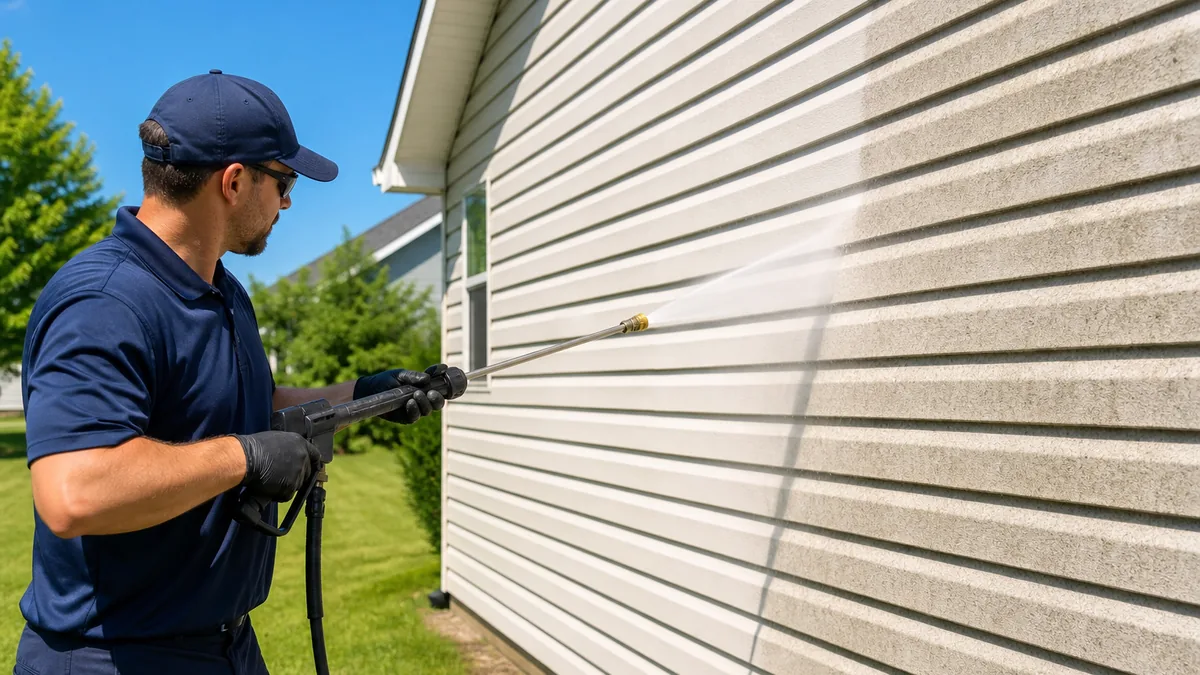
Different surfaces need different pressure, which is where most do-it-yourself damage happens. Wood decks and fences want a gentle 500–1,200 PSI and a wide fan tip, always moving with the grain; concrete driveways and patios can take 2,500–3,000 PSI. Get it wrong and you splinter the wood or etch the concrete permanently. Professional power washing for siding, decks, and driveways matches the right pressure and technique to each surface, and our complete guide to safely pressure washing a wood deck walks through the wood-safe approach step by step. One timing note for Chicago homeowners: if your deck needs stain or sealer, that work needs 60–70°F days with low humidity to cure — a window that narrows fast once July's heat and storms arrive, so clean and seal early.
4. Don't Forget Windows and Screens in Summer
Summer is the hardest season to keep glass clear. Long days of direct sun, sprinkler overspray, road dust, and hard-water spotting all hit your windows at once — and the heat itself works against you, drying cleaning solution before you can wipe it away, which is what leaves those frustrating streaks.
The fix is partly about timing: clean glass early in the morning, in the evening, or on an overcast day, so the surface stays wet long enough to finish cleanly. Rinse dust off before you wash so you are not grinding grit across the pane, and don't forget the screens, which trap pollen and dull the view. For two-story windows, tall gable glass, or a pre-listing shine, professional streak-free window washing in Chicagoland gets a spot-free result without balancing a ladder in the heat. Clear windows also let in more summer light, which genuinely lifts how a room feels.
5. Your June, July, and August Quick Checklist
Here is the season at a glance. Spread it across a few weekends and you'll avoid the mid-summer panic call when every service in the Chicago area is booked two weeks out.
June — set up for the season:
Clean and flush gutters and downspouts before peak storm season
Power wash siding, driveway, deck, and walkways while stains are still fresh
Clean and seal the deck while humidity is low
Do a standing-water sweep and patch any torn window screens
July — monitor and maintain:
Empty birdbaths, buckets, and saucers weekly to break the mosquito cycle
Wash windows in the early morning or evening to beat streaking
Trim branches and shrubs back from the roofline and gutters
Confirm downspouts still drain well away from the foundation
August — start the turn toward fall:
Re-check gutters after summer storms and fresh tree growth
Give the exterior a final wash before entertaining or listing
Book fall services early — see our fall home maintenance checklist
A little summer attention keeps small problems — an overflowing gutter, a streaky window, a mosquito-friendly puddle — from turning into expensive ones. If you would rather hand the ladder work to an insured local crew, Property Refresh provides power washing and gutter cleaning in Chicago and the surrounding suburbs.
Frequently Asked Questions
1. How often should I clean my gutters in summer?
Most Chicago-area homes need gutters cleared at least twice a year, but a mid-summer check is smart because spring debris and tree growth clog them right before peak storm season. If your home sits under heavy oak, maple, or walnut cover, plan on an extra summer cleaning to keep water flowing.
2. Why are there mosquitoes around my house even without a pond?
Standing water is the culprit, and clogged gutters are one of the most common backyard breeding sites. As little as a tablespoon of trapped water can hatch hundreds of mosquitoes in under a week. Clear your gutters, empty birdbaths and buckets weekly, and check screens for tears.
3. Is summer a good time to power wash my house?
Yes. Early summer is ideal because spring pollen and algae are still soft and easy to remove before heat bakes the stains in. Dry, sunny days also let surfaces dry quickly. Just match pressure to the surface — gentle on wood, higher on concrete — to avoid permanent damage.
4. Why do my windows streak so badly in summer?
Summer heat dries cleaning solution on the glass before you can wipe it away, which leaves streaks. Clean windows early in the morning, in the evening, or on an overcast day so the surface stays wet long enough to finish cleanly, and rinse off dust first so you are not grinding grit across the pane.
5. Should I clean my gutters in summer if I already did it in spring?
Often, yes. Maple seeds, blossoms, and early leaf drop keep filling gutters after a spring cleaning, and Chicago's heaviest storms arrive in summer. A quick mid-season check and flush ensures water actually reaches the downspout when a downpour hits, protecting your siding and foundation.
6. What's the difference between power washing and soft washing my home?
They are two tools for two jobs. Power washing uses high-pressure water to strip grime from tough surfaces — concrete driveways, patios, and brick can usually take 2,500–3,000 PSI. Soft washing uses low pressure plus specialized cleaning solutions to break down algae, mildew, and pollen on more delicate surfaces like vinyl or aluminum siding, painted wood, stucco, and roof shingles, without forcing water behind panels or stripping the finish. A good crew reads each surface and switches between the two, so your walkways get full pressure while your siding gets a gentle soft wash. Blasting siding or a roof with high pressure is one of the fastest ways to cause leaks and costly repairs, which is exactly why matching the method to the material matters.
Summer is short in Chicago, and the to-do list is long — but the exterior jobs on this checklist are the ones that quietly protect your home's value and keep it looking its best. Tackle the gutters and standing water first, wash and seal while the weather cooperates, and you'll coast into fall instead of scrambling.
Ready to get it off your to-do list? Call (224) 386-4836 or request a free summer exterior estimate to lock in your spot before peak season fills up.