



Power Washing: Complete Beginner Guide to Safe, Satisfying Results
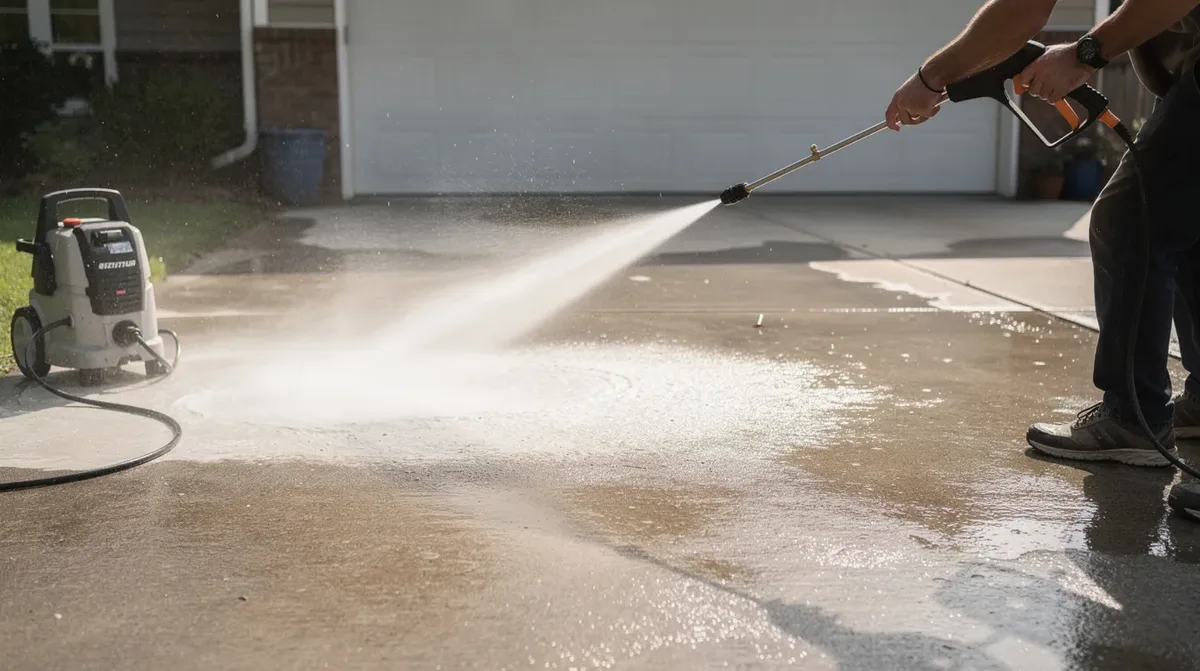
There's something deeply satisfying about watching years of grime blast away under a stream of high pressure water. Power washing transforms tired driveways, algae-covered decks, and dingy siding into surfaces that look almost new, evoking a sense of wonder at the dramatic results. If you've been wondering whether you can tackle this job yourself, the answer is yes—with the right knowledge and a respect for the machine in your hands.
Key Takeaways
Power washing uses high-pressure water (typically 1,500–3,000 PSI for home use, up to 20,000 PSI for industrial hydrojetting) to clean concrete surfaces, siding, decks, and more. The process demands clear safety steps, including proper gear and nozzle selection.
Beginners can safely set up and operate an electric pressure washer by following a straightforward process: connect your regular garden hose to the inlet, attach the high pressure hose and spray wand, select the right nozzle, test on a hidden spot, then clean in controlled, overlapping passes.
Power washing often uses heated water reaching up to 200°F, while pressure washing relies on unheated tap water. Hot water excels at cutting through grease and killing mold, while cold water handles general dirt and mildew effectively.
Correct PSI, nozzle angle, and working distance (typically 12–18 inches from the surface) prevent damage to wood, paint, and soft materials while still removing stubborn buildup.
Cleaning patios, decks, and driveways 2–3 times per year protects property value and keeps surfaces safe. Proper storage—draining hoses and running pump saver before winter—extends your machine's life for many seasons.
What Is Power Washing?
Power washing is the process of cleaning outdoor surfaces using high pressure water, often heated, to blast away dirt, algae, mold, grease, and years of accumulated grime. This technique works on driveways, sidewalks, house siding, decks, fences, and even vehicles. For a deeper look at the basics, see our overview of what power washing is and why you probably need it.
The cleaning power comes from PSI—pounds per square inch—which measures the force behind the water stream. Here's how pressure ranges match different jobs:
1,500–2,000 PSI: Suitable for cars, outdoor furniture, and light dust removal
2,000–3,000 PSI: Ideal for home siding, wood decks, concrete driveways, and brick patios
10,000–20,000 PSI: Industrial hydrojetting used by trained professionals for sewer lines and heavy commercial work
Power washing can reach temperatures up to 200°F, which kills bacteria, mold spores, and algae on contact. The heat also acts as a catalyst, loosening dirt and emulsifying grease faster than cold water alone. Power washing is significantly more effective at reaching into porous surfaces and removing tough buildup than traditional washing methods.
The process can significantly reduce the time needed for surface cleaning compared to manual scrubbing. A patio that would take hours to scrub by hand often takes 20–30 minutes with the right machine. Using a surface cleaning attachment can be a game changer, as it significantly increases cleaning speed and efficiency for large areas.
Power washing enhances curb appeal by making surfaces appear new, and using a power washer protects property value and integrity by removing organic growth like mold and algae that can deteriorate surfaces over time.
Power Washing vs. Pressure Washing
Most homeowners use these terms interchangeably, and in casual conversation, that's fine. But technically, there's a meaningful difference. Power washers and pressure washers are often used interchangeably, but they are not the same; power washers use heated water while pressure washers rely solely on high-pressure water to clean surfaces.
Pressure washing uses unheated tap water and high-pressure streams typically between 1,300 to 3,000+ PSI. Pressure washers typically operate at a pressure range of 1,300 to 2,800 PSI, making them suitable for cleaning tasks like driveways, patios, and outdoor furniture without damaging surfaces.
Here's when each method works best:
Pressure washing (cold water) excels for:
Routine cleaning of vinyl siding and composite decks
Concrete walkways with surface dirt and mildew
Brick patios and plastic patio furniture
General dust and pollen removal from house exteriors
Power washing (hot water) is better for:
Oil-soaked garage floors and automotive work areas
Greasy restaurant patios built up since around 2015
Commercial kitchens and loading docks
Surfaces requiring sanitization
Power washing is more effective for sanitizing and emulsifying oils on hard surfaces compared to pressure washing. Heat in power washing acts as a catalyst, loosening dirt and emulsifying grease faster than cold water. Power washing is also faster than cold-water methods for large-scale industrial or commercial projects because the heat loosens dirt more quickly. Many homeowners notice a dramatic difference after their first season using a pressure washer on a patio or driveway, as years of built-up grime are removed in a single cleaning.
For most DIYers in 2026, an electric pressure washer in the 2,000–3,000 PSI range is the most practical and budget-friendly tool. Even if you casually call it a power washer, you'll get excellent results on typical home projects.
Both methods require testing on fragile materials first. Neither should be used on old lead paint, loose mortar joints, or already flaking wood stain without careful evaluation.
Choosing a Power Washer for Home Use
The decision usually comes down to electric versus gas models. Electric units dominate the beginner market at $150–$250 in 2026, while gas models start around $350 and climb from there. Either can handle common home projects when sized correctly.
Electric pressure washers:
Generally lighter, quieter, and easier to maintain
Perfect for suburban driveways, fences, siding, and outdoor furniture
Operate under 80 decibels—you can use them without disturbing neighbors
Weigh 20–30 pounds for easy garage storage
No fuel maintenance, just plug and spray
Gas pressure washers:
Provide higher pressure (2,300–3,000+ PSI) for heavy-duty cleaning tasks
Better suited for large properties and long driveways
Ideal for heavily stained concrete that hasn't been cleaned since 2020
Bulkier and louder than electric models
Require ventilation, oil checks, and fuel management
Electric pressure washers are generally lighter, quieter, and easier to maintain compared to gas-powered models, making them suitable for lighter cleaning tasks like patios and outdoor furniture. Gas pressure washers typically provide higher pressure and are better suited for heavy-duty cleaning tasks such as driveways and large areas, but they are bulkier and louder than electric models.
Ideal specifications for beginners:
1,800–2,300 PSI and 1.2–1.8 GPM for siding, small patios, and vehicles
2,300–3,000 PSI for longer concrete runs, larger decks, and weather-beaten fencing
Accessories to look for when buying a new pressure washer:
Quick-connect nozzles: 0°, 15°, 25°, 40°, and soap applicator
High pressure hose rated 20–35 feet at minimum
Built-in detergent tank or foam attachment
Spray wand with comfortable grip
Consider storage before you buy. Wall-mounted hooks in your garage, shed space, or room under a workbench make the washer easy to grab several times a year. Good access means you'll actually use it instead of letting it collect dust.

Setting Up Your Power Washer Step by Step
Setup on a typical 2026 electric machine takes only 10–15 minutes once parts are unpacked. Even first-timers find the process straightforward when following the manual's labeled connections.
Assembly basics:
Attach the handle and wheels according to manufacturer instructions
Connect the trigger gun to the spray wand until secure
Most modern models label each connection clearly—just match the markings
Water connection:
Connect a regular garden hose from your outdoor spigot to the water inlet
Fully open the faucet to ensure consistent water flow
Squeeze the trigger gun for 1–3 minutes to purge air from the system before powering up
High pressure hose attachment:
Attach the high pressure hose to both the machine's outlet and the trigger gun
Hand-tighten connections until snug and leak-free
Check for drips before starting
Nozzle selection:
Always start with the least powerful nozzle (like the 25° or 40°) and move to a more concentrated spray if needed to avoid damaging surfaces
To attach the nozzle, pull down on the brass collar, insert your chosen nozzle, then release the collar to lock it securely into place until it clicks
The 40° nozzle works well for initial testing on most surfaces
Detergent preparation (if applicable):
Fill the tank with outdoor-safe cleaner diluted to the ratio on the bottle (typically 1:10 or 1:20 with water)
Use only pressure-safe formulas to avoid corroding brass fittings
Safety checks before starting:
For electric units: plug into a GFCI-protected outlet
Avoid lightweight extension cord options that can overheat—use heavy-duty cords if needed
For gas units: move outdoors, add fresh fuel, keep several feet from walls for ventilation
Check the power cord for damage before each use
Confirm water flow before pulling the trigger
Power Washing Techniques for Different Surfaces
Technique matters as much as PSI. Starting gently and increasing pressure protects surfaces while still delivering the dramatic transformation people hope to see. Different surfaces require different power washing techniques to avoid damage: concrete and stone can withstand high pressure, whereas vinyl siding and wood require softer techniques. When selecting a nozzle, the middle (medium pressure) nozzle is often the best choice for general cleaning tasks like patios and outdoor fabrics, as it offers a balanced level of pressure—strong enough to clean effectively without risking surface damage.
Concrete driveways and sidewalks:
Use 2,000–3,000 PSI with a 15° or 25° nozzle
Keep the spray wand about 12 inches above the surface
Work in overlapping passes to avoid striping
This approach handles winter road-salt stains, dark tire marks, and years of accumulated grime
Power washing can efficiently remove chewing gum and oil stains from surfaces
Power washing is particularly effective for cleaning hard, durable surfaces that can endure intense pressure and high heat
Wood decks and fences:
Drop to 1,200–1,800 PSI to prevent damage
Use a 25°–40° nozzle and move with the grain of the wood
Keep at least 18 inches of distance to avoid raising fibers or gouging boards
Pre-wet the surface and test on an inconspicuous spot first
The combination of high pressure and high temperature can damage softer surfaces, such as wood or painted materials, so caution is essential
For a deeper, deck-specific walkthrough, see our guide on how to power wash a deck.
Vinyl or fiber-cement siding:
When pressure washing vertical surfaces, always work from top to bottom to prevent dirty water from dripping onto areas that have already been cleaned
Use a 25°–40° nozzle at 18+ inches distance
Never spray directly up under siding overlaps or into vents, windows, or electrical boxes
Watch house corners carefully—they catch more dirt but also take more abuse
Outdoor furniture, playsets, and plastic items:
Use the gentlest spray pattern and widest nozzle
Test a small area first—plastic and paint can be surprisingly fragile
Detergent helps on heavily soiled pieces like slides or playhouses outside since 2020
The high temperatures in power washing can kill the roots of weeds and moss growing in cracks
Vehicles:
Many consumer washers are too strong at close range for car paint
Step back, use the widest nozzle, and keep the spray moving constantly
Avoid sensitive areas like old decals, loose trim, and window seals
A bucket of soapy water and a mitt still work better for final detailing
Power washing is often necessary for surface preparation before painting, staining, or sealing to ensure proper adhesion. If you're planning a deck refinishing job, washing first removes the old finish and opens wood pores for better penetration.

Safety, Best Practices, and When to Call a Pro
Even a 2,000 PSI residential unit can cut skin, etch concrete, or break glass if misused. The water pressure at close range mimics a knife cut, so safety gear and habits are non-negotiable.
Personal safety essentials:
Closed-toe boots or rain boots—never sandals
Long pants to protect legs from debris spray
Safety glasses or sunglasses to block grit and splashback
Hearing protection for gas models exceeding 90 decibels
Gloves to reduce hand fatigue on longer jobs
Equipment and property protection:
Never point the spray wand at people, pets, or windows
Avoid ladders—recoil from the trigger gun can cause falls
Use extension wands from stable ground instead
The 0° nozzle is dangerous on most surfaces; reserve it for brief, specific tough spots on durable concrete or metal only
Power washing eliminates slippery substances from walkways, reducing safety hazards
Post-job maintenance:
After using a pressure washer, it is important to disconnect the hoses and store the machine properly to prevent damage and ensure longevity
Release pressure by squeezing the trigger after shutting down
Drain remaining water completely
When storing a pressure washer, ensure that all hoses are coiled and secured with a strap to prevent tangling and damage
Regular maintenance of a pressure washer includes checking for leaks, cleaning the filter, and ensuring that the nozzles are free from clogs to maintain optimal performance
Winter storage:
Run pump saver fluid through the system before cold months
Store in a garage or shed where temperatures stay above freezing
A freeze-cracked pump means expensive repairs or replacement
When to call professionals:
Multi-story siding where falls are a serious risk
Historic brick, old mortar, or delicate wood built before 1978 where lead paint might be present
High-pressure water jetting, also known as hydrojetting, can reach pressures up to 1,400 bars (20,000 psi) and is used in industrial applications for cleaning and cutting materials with minimal damage to the substrate—this requires certified gear and training
Professional services make sense for jobs beyond residential scope. Don't let pride put you on a ladder with a pressurized trigger gun—that's a recipe for a medical emergency that no amount of curb appeal justifies. If you'd rather skip the rental and the risk, Property Refresh offers professional power washing services across Chicagoland.
Frequently Asked Questions
Most homes benefit from a full exterior wash 1–2 times per year. The ideal schedule is once in late spring after pollen season settles and again in early fall before winter weather arrives. Pressure washing is more effective on mild, dry days when the sun is out, as this helps surfaces dry quickly after cleaning. In humid or coastal climates where algae growth accelerates, quarterly spot cleaning of shady sides, decks, and fences prevents slippery, dangerous buildup.
Yes, misuse can strip paint, fuzz wood fibers, or force water behind siding and into window seals. However, using moderate PSI (around 1,200–2,000 for wood, 2,000–2,500 for siding), selecting a wider nozzle, and keeping the wand 12–18 inches away greatly reduces these risks. Always test a small, hidden area first and adjust distance and water pressure before tackling the entire surface.
Many basic jobs—dust, loose dirt, light mildew—can be handled with plain water, especially on newer surfaces installed within the past 3–5 years. For heavy mildew, grease, or long-standing stains, using a cleaner labeled for pressure washers and specific materials (wood, concrete, siding) speeds up work and improves results. Never run bleach or harsh, unapproved chemicals directly through the pump.
Renting makes sense for one-time or once-a-year deep cleans when you're not sure about commitment. However, homeowners planning to clean patios, furniture, siding, and driveways 2–3 times per year typically save money by owning a mid-range electric unit. Ownership also allows quick touch-ups after storms, pollen season, or backyard projects without arranging rental logistics. At $150–$250 for a capable electric model, the break-even point comes faster than many expect.
Technically possible above freezing temperatures, but not ideal. Water can refreeze on driveways and stairs, creating dangerous slip hazards that weren't there before you started. Schedule exterior washing for days above 50°F (10°C) with some sun and low wind so surfaces dry quickly. If you must wash in cooler months, fully drain the hose and pump immediately afterward to prevent freeze damage overnight.
A 25°–40° nozzle at roughly 2,000–2,500 PSI, kept 18 inches or more from the surface, is the safe sweet spot for vinyl and fiber-cement siding. Always work top to bottom and avoid spraying upward into seams, vents, or window flashings, where water can be driven behind the siding and cause hidden damage.
Hire a pro when the job involves multi-story siding, fragile historic materials, lead paint risk on pre-1978 homes, or large commercial surfaces that need hot-water hydrojetting. Professionals bring calibrated equipment, insurance, and experience with detergents and dwell times, which means faster results and far less risk to people and property than balancing on a wet ladder with a pressurized wand.
Power washing transforms grimy surfaces into clean, welcoming spaces with surprisingly little effort once you understand the basics. The tools are more accessible than ever, the technique is learnable in an afternoon, and the results speak for themselves.
Start with your safest surface—maybe that dusty patio table or section of fence—master your technique, and work up to tougher jobs as confidence builds. Your home's exterior has been collecting dirt, mold, and weather stains for years. This week might be the perfect time to give it a fresh start. Want a hand? Contact Property Refresh for a free quote.